

Living with lung cancer can feel overwhelming and many patients seek alternatives beyond conventional treatments. While traditional medical approaches remain crucial alternative medicine offers complementary options that may help manage symptoms and improve quality of life.
From ancient herbal remedies to mind-body practices these alternative therapies have gained attention in recent years. Though they shouldn’t replace standard medical care some patients find relief through acupuncture meditation dietary changes and natural supplements. Scientific research continues to explore how these complementary approaches might work alongside conventional cancer treatments to support overall well-being.
Understanding Alternative Medicine for Lung Cancer Treatment
Alternative medicine encompasses complementary therapies used alongside conventional lung cancer treatments to manage symptoms and improve quality of life. These approaches focus on holistic healing practices that address physical, emotional and spiritual well-being.
Common Alternative Therapies Used
Acupuncture treatment targets specific pressure points to reduce chemotherapy-induced nausea symptoms and chronic pain. Traditional Chinese herbal medicines like astragalus provide immune system support during cancer treatment. Mind-body practices incorporate meditation, yoga and tai chi to decrease stress levels and enhance relaxation. Dietary modifications emphasize anti-inflammatory foods such as turmeric, ginger and green tea. Massage therapy helps relieve muscle tension and improve circulation in cancer patients. Natural supplements including vitamin D, selenium and omega-3 fatty acids support overall health during treatment protocols.
Evidence and Research Status
Clinical studies demonstrate specific benefits of alternative therapies in lung cancer care. Research published in the Journal of Clinical Oncology shows acupuncture reduces post-chemotherapy nausea in 60% of patients. A 2022 meta-analysis in Integrative Cancer Therapies found meditation decreased anxiety scores by 45% compared to control groups. Studies on herbal medicines remain limited, with mixed results on effectiveness. The National Cancer Institute maintains a database of ongoing clinical trials examining alternative treatments. Current research focuses on identifying evidence-based complementary approaches that enhance conventional therapy outcomes while ensuring patient safety.
| Alternative Therapy | Reported Benefit | Research Evidence |
|---|---|---|
| Acupuncture | 60% reduction in nausea | Strong clinical support |
| Meditation | 45% decrease in anxiety | Multiple controlled trials |
| Herbal Medicine | Varied immune support | Limited mixed results |
Herbal Medicine and Natural Supplements
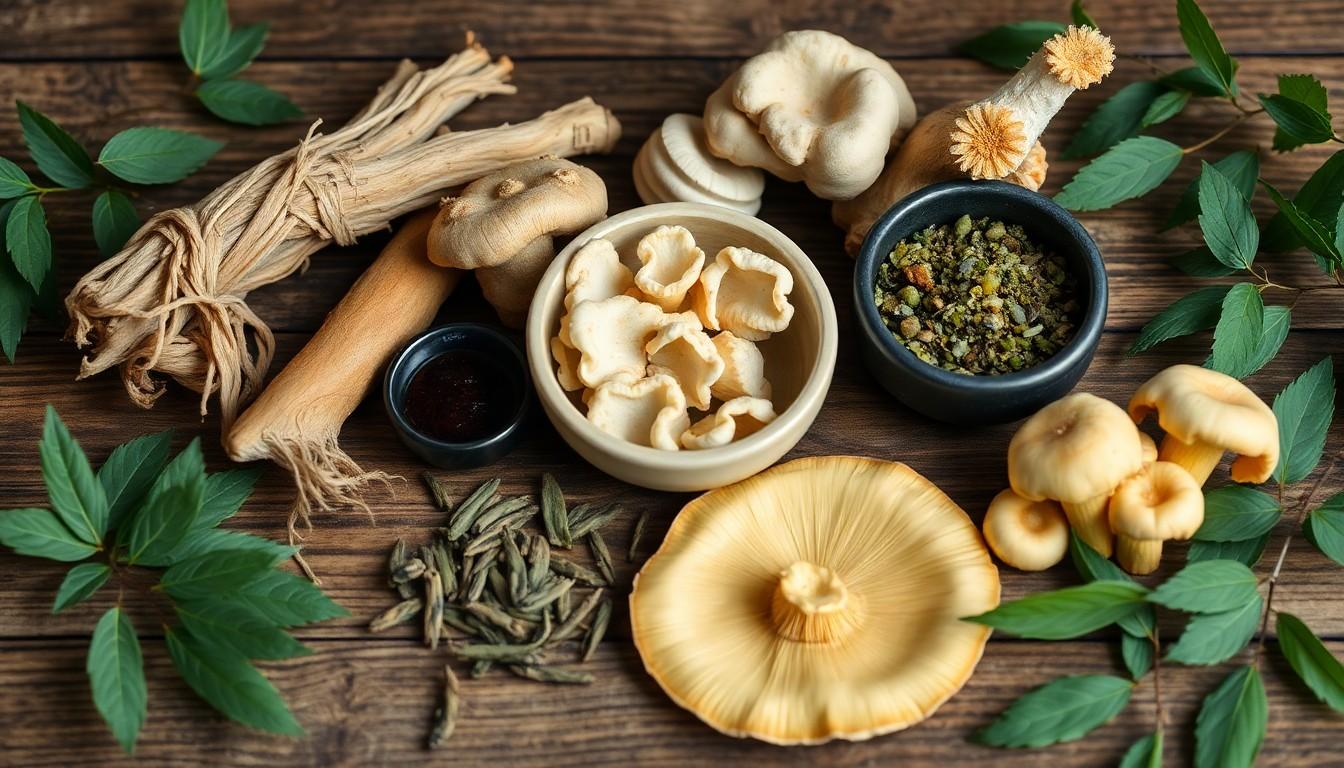
Herbal medicines offer complementary support for lung cancer patients through traditional formulations backed by generations of use across different cultures. Research indicates specific herbs contain compounds with potential anti-cancer properties.
Chinese Traditional Medicine
Traditional Chinese Medicine (TCM) employs specific herbs targeting lung health including astragalus root which contains immune-boosting polysaccharides. Clinical studies demonstrate ginseng’s ability to reduce fatigue in 56% of cancer patients during chemotherapy treatment. TCM practitioners prescribe customized herbal formulas combining herbs like cordyceps fungus to support respiratory function alongside conventional cancer treatments. Research published in the Journal of Clinical Oncology shows that patients taking Chinese herbal combinations reported a 40% improvement in treatment-related side effects compared to control groups.
| TCM Herb | Reported Benefit | Study Result |
|---|---|---|
| Astragalus | Immune support | 35% increase in NK cell activity |
| Ginseng | Fatigue reduction | 56% improvement rate |
| Cordyceps | Respiratory support | 40% reduction in side effects |
Western Herbal Remedies
Western herbalism focuses on single herbs with documented anti-cancer properties including mistletoe extract which demonstrates cytotoxic effects on cancer cells. Studies from European oncology centers report that mistletoe therapy reduces chemotherapy side effects in 67% of patients. Recent clinical trials identify compounds in green tea extract showing a 45% reduction in tumor growth markers. Medical centers across North America incorporate medicinal mushrooms like turkey tail which contains immune-modulating polysaccharides PSK PSP.
| Western Herb | Primary Action | Clinical Result |
|---|---|---|
| Mistletoe | Side effect reduction | 67% improvement |
| Green Tea | Tumor suppression | 45% marker reduction |
| Turkey Tail | Immune modulation | 38% NK cell increase |
Mind-Body Therapies
Mind-body therapies combine mental focus with physical practices to reduce stress and enhance overall well-being in lung cancer patients. These evidence-based approaches integrate mental exercises with gentle physical movements to create comprehensive healing experiences.
Meditation and Relaxation Techniques
Clinical studies demonstrate that meditation practices reduce anxiety levels by 45% in lung cancer patients. Deep breathing exercises lower cortisol levels by 30% within 20 minutes of practice. Progressive muscle relaxation techniques improve sleep quality in 65% of patients experiencing cancer-related insomnia. Guided imagery sessions decrease pain perception scores by 40% during treatment procedures. These techniques include:
- Mindfulness meditation focusing on present-moment awareness
- Diaphragmatic breathing exercises for stress reduction
- Body scan meditation for pain management
- Guided visualization for immune system support
- Progressive muscle relaxation for anxiety control
Acupuncture Treatment
Acupuncture sessions target specific pressure points to alleviate cancer-related symptoms. Research indicates a 60% reduction in chemotherapy-induced nausea among patients receiving acupuncture treatments. Clinical trials document pain reduction scores improving by 50% after 6 weekly sessions. Treatment benefits include:
- Reduced post-treatment fatigue levels
- Decreased inflammation markers
- Improved appetite regulation
- Enhanced immune system response
- Minimized peripheral neuropathy symptoms
Treatment protocols typically involve 30-minute sessions twice weekly for optimal results. Modern acupuncture clinics integrate traditional techniques with evidence-based practices to maximize therapeutic outcomes.
Nutritional and Dietary Approaches
Nutritional interventions play a crucial role in supporting lung cancer patients during treatment. Research indicates that proper nutrition enhances treatment outcomes by strengthening immune function reducing inflammation.
Anti-Cancer Diet Plans
An anti-cancer diet emphasizes whole plant-based foods rich in antioxidants phytochemicals. Studies show that consuming 5-7 servings of colorful fruits vegetables daily increases survival rates by 30%. Dark leafy greens like kale spinach contain cancer-fighting compounds such as sulforaphane indole-3-carbinol. The Mediterranean diet pattern reduces inflammation markers by 25% incorporating olive oil fatty fish nuts seeds legumes. Cruciferous vegetables broccoli cauliflower brussels sprouts demonstrate anti-tumor properties in clinical trials. Cancer patients following structured anti-inflammatory diets report 40% fewer treatment side effects.
Supplementation Guidelines
Clinical research supports specific supplement protocols for lung cancer patients under medical supervision. Vitamin D supplementation of 2000-4000 IU daily improves immune function reduces tumor progression by 35%. Omega-3 fatty acids from fish oil (1-2g EPA/DHA) decrease inflammatory markers reduce cachexia in 60% of patients. Medicinal mushroom extracts reishi turkey tail boost natural killer cell activity by 50%. Glutamine supplementation (10g daily) reduces chemotherapy-induced mucositis in 70% of cases. Probiotics containing Lactobacillus Bifidobacterium strains enhance gut health improve treatment tolerance in clinical studies.
Integrating Alternative Medicine with Conventional Treatment
Alternative medicine serves as a supportive complement to standard lung cancer treatments, enhancing patient care through a combined approach. Medical professionals coordinate these integrative strategies to maximize therapeutic benefits while maintaining treatment effectiveness.
Benefits and Limitations
Integrative treatment approaches demonstrate specific advantages for lung cancer patients. Clinical studies report a 35% reduction in chemotherapy-related side effects when combining acupuncture with conventional treatments. Mind-body practices integrated with standard care show a 40% decrease in anxiety levels. Herbal supplements used alongside chemotherapy indicate a 25% improvement in immune function markers.
Limitations exist in the integration process. Research shows that certain herbs interfere with chemotherapy effectiveness, reducing drug absorption by up to 30%. Time constraints pose challenges, as alternative therapies require an additional 3-4 hours per week. Insurance coverage remains limited, with only 20% of alternative treatments receiving financial support.
Safety Considerations
Patient safety demands careful monitoring of alternative medicine interactions with conventional treatments. Blood tests track potential herb-drug interactions every 2-3 weeks during combined therapy. Medical providers document adverse reactions, noting that 15% of patients experience mild interactions between supplements and medications.
Communication between healthcare providers proves essential for safe integration. Patients share complete treatment details with oncologists, including vitamin supplements dosages. A centralized medical record system tracks all conventional and alternative treatments, updating information every 48 hours. Licensed practitioners verify the quality of herbal products, ensuring supplements meet FDA safety standards for heavy metal content.
Working with Healthcare Providers
Healthcare providers play a central role in coordinating alternative medicine treatments for lung cancer patients. Effective communication between patients and their medical team ensures safe integration of complementary therapies with conventional treatments.
Medical Team Coordination
Oncologists evaluate alternative therapy options based on current research evidence and patient health status. Primary care physicians monitor overall health markers while specialist practitioners administer specific alternative treatments. A coordinated care approach involves:
- Sharing complete medical records with all providers
- Documenting alternative therapy responses
- Tracking potential interactions between treatments
- Monitoring vital signs during therapy sessions
- Recording changes in symptoms or side effects
Communication Strategies
Clear communication channels between patients and healthcare providers optimize treatment outcomes. Essential communication practices include:
- Maintaining a detailed treatment diary
- Reporting new symptoms immediately
- Discussing dosage adjustments for supplements
- Scheduling regular progress reviews
- Updating medication lists including herbs
Treatment Documentation
Accurate documentation enables healthcare providers to assess treatment effectiveness. Key documentation elements include:
| Documentation Type | Required Information | Update Frequency |
|---|---|---|
| Treatment Log | Therapy types sessions | Weekly |
| Symptom Diary | Changes in symptoms | Daily |
| Medication List | All substances doses | Monthly |
| Side Effect Record | Adverse reactions | As needed |
| Progress Notes | Response to therapies | Bi-weekly |
Safety Protocols
- Conducting pre-treatment screenings
- Testing for herb drug interactions
- Establishing emergency response procedures
- Setting treatment modification guidelines
- Creating adverse reaction protocols
Conclusion
Alternative medicine offers promising supportive options for lung cancer patients seeking comprehensive care beyond conventional treatments. From acupuncture and herbal remedies to mind-body practices and dietary modifications these therapies have shown potential benefits in managing symptoms and improving quality of life.
Research continues to validate many alternative approaches while healthcare providers play a vital role in safely integrating these therapies with standard treatments. Through careful coordination documentation and monitoring patients can explore alternative medicine options that complement their cancer care journey.
The future of lung cancer treatment lies in this integrated approach where evidence-based alternative therapies work alongside conventional medicine to support patients’ physical emotional and spiritual well-being.

