
When it comes to pregnancy, understanding the role of prenatal visits is crucial for both expectant mothers and healthcare providers. These appointments aren’t just routine check-ups; they’re a vital part of ensuring a healthy pregnancy. But the question often arises: are these visits considered preventive care?
Prenatal visits focus on monitoring the health of both the mother and the developing baby, aiming to catch potential issues early. They provide essential screenings, education, and support that can significantly impact outcomes. In this article, I’ll explore the significance of prenatal care and how it fits into the broader concept of preventive healthcare, ultimately highlighting why these visits are indispensable for a healthy pregnancy journey.
Table of Contents
ToggleKey Takeaways
- Prenatal Visits as Preventive Care: Prenatal visits are classified as preventive care, focusing on the health of both mother and baby throughout pregnancy.
- Early Detection of Complications: Regular check-ups facilitate the early identification of potential complications like gestational diabetes and preeclampsia, allowing for timely interventions.
- Education and Support: These appointments provide critical guidance on nutrition, exercise, and fetal development, empowering expectant mothers with knowledge for a healthier pregnancy.
- Monitoring Health Progress: Consistent prenatal visits help track both maternal and fetal health, ensuring that any issues are addressed promptly and effectively.
- Postpartum Preparation: Prenatal care includes discussions about postpartum plans, ensuring mothers are prepared for the transition into parenthood.
- Long-Term Health Benefits: Engaging in regular prenatal care supports positive health behaviors, benefiting both maternal health and emotional well-being after delivery.
Understanding Preventive Care
Preventive care encompasses services aimed at preventing illnesses, identifying risk factors, and promoting overall health. Prenatal visits fit within this framework, addressing the well-being of both mother and fetus during pregnancy.
Definition of Preventive Care
Preventive care refers to medical services that detect health issues before they become severe. Examples include regular check-ups, screenings, immunizations, and health education. This type of care focuses on maintaining or improving health and preventing diseases from developing.
Importance of Preventive Care
Preventive care is crucial for early detection and intervention. It helps avoid complications and supports better health outcomes. Regular prenatal visits, for instance, help health care providers monitor the pregnancy, manage existing conditions, and provide essential education. This proactive approach promotes a healthier pregnancy and prepares for labor, delivery, and postpartum care. By emphasizing preventive care, I enhance the overall health of both myself and my baby.
The Role of Prenatal Visits
Prenatal visits play a crucial role in ensuring a healthy pregnancy. These appointments focus on monitoring the mother and baby while providing education and support throughout the pregnancy journey.
What to Expect During Prenatal Visits
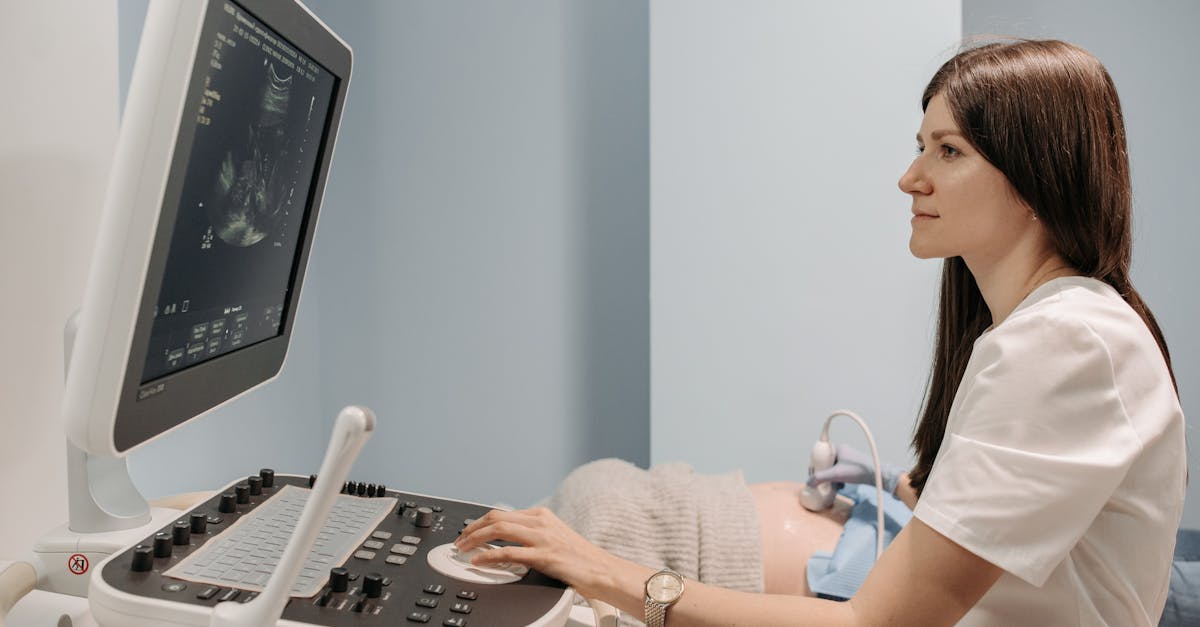
During prenatal visits, various assessments occur to monitor the health of both the mother and the fetus. Providers typically measure vital signs, such as blood pressure and weight, and perform blood tests to check for anemia or infections. Ultrasounds may also be conducted to assess fetal growth and development. Conversations about nutrition, physical activity, and mental well-being are common, allowing for personalized recommendations. These visits also offer opportunities to discuss concerns, ask questions, and prepare for labor and delivery.
- Early Detection: Regular visits enable early identification of potential complications, such as gestational diabetes or preeclampsia, facilitating prompt management.
- Education: Providers offer guidance on nutrition, exercise, and fetal development, equipping expectant mothers with knowledge to support a healthy pregnancy.
- Emotional Support: Regular care fosters a supportive environment, allowing mothers to express concerns, share experiences, and reduce anxiety.
- Monitoring Progress: Consistent check-ups track the baby’s growth and mother’s health, ensuring both remain in optimal condition through pregnancy.
- Postpartum Preparation: Care includes discussions about post-delivery plans and potential challenges, ensuring mothers are ready for the transition into parenthood.
Are Prenatal Visits Considered Preventive Care?
Prenatal visits are essential components of preventive care. These appointments play a crucial role in promoting the health of both the mother and her developing baby.
Healthcare Guidelines and Recommendations
Healthcare guidelines recommend regular prenatal visits beginning early in pregnancy and continuing until delivery. According to the American College of Obstetricians and Gynecologists (ACOG), women should schedule visits every four weeks during the first 28 weeks, every two to three weeks from 28 to 36 weeks, and weekly from 36 weeks until birth. These visits include vital screenings and assessments that help identify potential health issues early, ensuring timely interventions.
Clarifying Misconceptions
Some misconceptions exist regarding prenatal visits and their purpose. Many people view these appointments as routine check-ups, but they serve a more significant role in preventive care. Prenatal visits encompass comprehensive assessments, health education, and support tailored to each woman’s unique needs. Understanding that these visits are instrumental in monitoring pregnancy progress helps dispel myths about their importance in maintaining maternal and fetal health.
Impact on Maternal and Fetal Health
Prenatal visits significantly impact the health of both the mother and the developing baby. These appointments focus on reducing risks and enhancing long-term health outcomes.
Reducing Risks and Complications
Regular prenatal visits facilitate early detection of potential health issues. Healthcare providers monitor for conditions like gestational diabetes, hypertension, and fetal growth abnormalities through various assessments. Timely interventions during these visits reduce the likelihood of complications, promoting a healthier pregnancy. Additionally, personalized education on nutrition, exercise, and warning signs empowers expectant mothers to make informed decisions about their health. By addressing risk factors early, prenatal care effectively minimizes stress and enhances safety for both mother and baby.
Long-Term Health Benefits
The long-term benefits of prenatal visits extend beyond pregnancy. Consistent monitoring and education support positive health behaviors, which can translate into improved maternal health post-delivery. Studies show that women who engage in regular prenatal care are more likely to maintain healthy habits, such as breastfeeding and postpartum exercise. These benefits contribute to better emotional well-being and bonding with the baby. Furthermore, establishing a relationship with a healthcare provider promotes continuity of care, encouraging follow-up visits that are crucial for ongoing maternal and child health.
Conclusion
Prenatal visits are undeniably a vital part of preventive care. They provide expectant mothers with the essential support and guidance needed for a healthy pregnancy. By monitoring both maternal and fetal health, these appointments help detect potential issues early on and facilitate timely interventions.
I’ve seen firsthand how regular prenatal visits empower women to make informed decisions about their health. They not only enhance the pregnancy experience but also lay the groundwork for a smoother transition into motherhood. Prioritizing these visits can significantly improve health outcomes for both mothers and their babies. Investing in prenatal care is truly an investment in a healthier future for the entire family.

